
"Ecuador coffee facts"
400 article(s) found

Introduction of Santa Cruz Manor in Ecuador Coffee Flavor Manor
The coffee beans produced in Ecuador's Galapagos Islands are organic coffee beans, thanks to the unique ecological environment such as volcanic soil and microclimate, coupled with the fact that they do not use any chemical fertilizers or pesticides, they are recognized as natural green boutique coffee. this naturally grown coffee has a mild taste with a hint of flowers and fruit and caramel. It is understood that the Galapagos Islands are far from Eritrea.

Coffee bean producing areas-South America-Ecuador (Ecuador)
Well-known representative coffee: Galapagos is between Colombia and Peru, and Ecuador, which passes through the equator, is one of the few countries in South America that produces both Arabica and Robastian coffee. In fact, Ecuador means the Spanish equator. Due to the use of old-fashioned traditional harvesting and handling methods, Ecuadorian coffee has not been

Coffee bean producing areas-South America-Ecuador (Ecuador)
Well-known representative coffee: Galapagos is between Colombia and Peru, and Ecuador, which passes through the equator, is one of the few countries in South America that produces both Arabica and Robastian coffee. In fact, Ecuador means the Spanish equator. Due to the use of old-fashioned traditional harvesting and handling methods, Ecuadorian coffee has not been

Introduction of Coffee producing area in America-- Ecuador Galapagos Coffee Ecuador Coffee Taste
Well-known representative coffee: Galapagos is between Colombia and Peru, and Ecuador, which passes through the equator, is one of the few countries in South America that produces both Arabica and Robastian coffee. In fact, Ecuador means the Spanish equator. Due to the use of old-fashioned traditional harvesting and handling methods, Ecuadorian coffee has not been
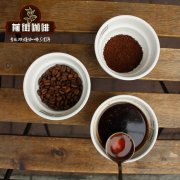
What are the flavor characteristics of Ecuador [Galapagos Islands coffee beans] bourbon varieties? Ecuador
Professional coffee knowledge exchange more coffee bean information please follow the coffee workshop (Wechat official account cafe_style) Ecuador [Galapagos Islands coffee beans] bourbon variety flavor characteristics? How to grow organic coffee beans in Ecuador? Ecuador is between Colombia and Peru, and Ecuador, which passes through the equator, produces Arabica coffee in South America.

Baking construction of Ecuador Marco Leon palacios washed Kaddura and Pacamara coffee beans
Professional coffee knowledge exchange more coffee bean information Please follow the coffee workshop (Wechat official account cafe_style) Today the bean I told you is a well-known British roasting brand origin coffee, about its small achievements you should also know through the contestants use beans. Its official ins has 14000 fans, which is one of the earliest in the UK.

Introduction to the treatment method of planting and development history of Ecuadorian coffee single bean flavor description
For professional baristas, follow the coffee workshop (official Wechat account cafe_style) between Colombia and Peru, and Ecuador, which passes through the equator, is one of the few countries in South America that produces both Arabica and robusta coffee. In fact, Ecuador means the Spanish equator. Due to the use of old-fashioned traditional harvesting and handling methods, Ecuador

Moderate and mellow Hassanda Coffee Manor in Ecuador the cultivation of boutique coffee beans is located in geography.
Between Colombia and Peru, Ecuador, which passes through the equator, is one of the few countries in South America that produces both Arabica and robastian coffee. In fact, Ecuador means the Spanish equator. Due to the use of old-fashioned traditional harvesting and handling methods, Ecuadorian coffee is not listed as a boutique coffee, so it is generally rarely seen.

Introduction to the characteristics of coffee flavor varieties in Hassanda Coffee Garden of Ecuador with balanced acidity
Between Colombia and Peru, Ecuador, which passes through the equator, is one of the few countries in South America that produces both Arabica and robastian coffee. In fact, Ecuador means the Spanish equator. Due to the use of old-fashioned traditional harvesting and handling methods, Ecuadorian coffee is not listed as a boutique coffee, so it is generally rarely seen.

Introduction to Ecuador Arabica Coffee in South America Hassendaca, Santa Cruz Island, Galapagos Islands
The coffee beans produced in Ecuador's Galapagos Islands are organic coffee beans, thanks to the unique ecological environment such as volcanic soil and microclimate, coupled with the fact that they do not use any chemical fertilizers or pesticides, they are recognized as natural green boutique coffee. this naturally grown coffee has a mild taste with a hint of flowers and fruit and caramel. It is understood that the Galapagos Islands are far from Eritrea.

San Cristobal, the Galapagos coffee producing area of Ecuador with a unique ecological environment.
The coffee beans produced in Ecuador's Galapagos Islands are organic coffee beans, thanks to the unique ecological environment such as volcanic soil and microclimate, coupled with the fact that they do not use any chemical fertilizers or pesticides, they are recognized as natural green boutique coffee. this naturally grown coffee has a mild taste with a hint of flowers and fruit and caramel. It is understood that the Galapagos Islands are far from Eritrea.

Flavor characteristics of Historical stories about the cultivation of Gigante Higante Coffee in Ecuador
For more information on coffee beans, please follow the coffee workshop (official Wechat account cafe_style) between Colombia and Peru, Ecuador, which passes through the equator, is one of the few countries in South America that produces both Arabica and robusta coffee. In fact, Ecuador means the Spanish equator. Due to the use of old-fashioned traditional collection

Introduction to the characteristic Variety producing areas of the Flavor description treatment method of Hassanda Coffee Garden in Ecuador
Ecuador is the highest Arabian coffee plantation in the world. The Arabian Coffee Tree was first introduced to Ecuador in 1952 and its coffee is of good quality, especially the coffee harvested in early June. Ecuadorian coffee beans can be divided into two varieties: Galapagos and Gigante, both of which have the characteristics of large particles, heavy weight, balanced acidity and rich aroma. Er

Fragrant coffee flavor description of Hassanda Coffee Garden in Ecuador
The coffee beans produced in Ecuador's Galapagos Islands are organic coffee beans, thanks to the unique ecological environment such as volcanic soil and microclimate, coupled with the fact that they do not use any chemical fertilizers or pesticides, they are recognized as natural green boutique coffee. this naturally grown coffee has a mild taste with a hint of flowers and fruit and caramel. It is understood that the Galapagos Islands are far from Eritrea.

What are the characteristics of Ecuadorian coffee taste and flavor which Ecuadorian coffee brands are famous
For more information on coffee beans, please follow the coffee workshop (official Wechat account cafe_style) between Colombia and Peru, Ecuador, which passes through the equator, is one of the few countries in South America that produces both Arabica and robusta coffee. In fact, Ecuador means the Spanish equator. Due to the use of old-fashioned traditional harvesting and location

Industrial Development of Coffee producing areas in Ecuador what are the characteristics of fine coffee in Ecuador
Professional Coffee knowledge Exchange more information on coffee beans Please follow Coffee Workshop (official Wechat account cafe_style) Coffee was introduced as a crop in 1860 when plantations were first established in the coastal areas of Manabi province in Jipijapa district. Ecuador is famous for growing beans for instant coffee, which is still a staple food for many Ecuadorian families. Although large-scale planting
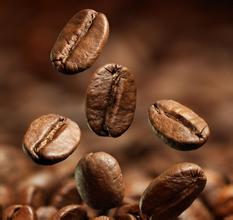
Ecuador's Galapagos Islands with a mild taste and a hint of flowers, fruit and caramel
The coffee beans produced in Ecuador's Galapagos Islands are organic coffee beans, thanks to the unique ecological environment such as volcanic soil and microclimate, coupled with the fact that they do not use any chemical fertilizers or pesticides, they are recognized as natural green boutique coffee. this naturally grown coffee has a mild taste with a hint of flowers and fruit and caramel. It is understood that the Galapagos Islands are far from Eritrea.
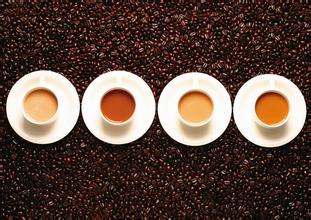
Introduction of Coffee Flavor and taste varieties in Hasunda Coffee Garden
The coffee beans produced in Ecuador's Galapagos Islands are organic coffee beans, thanks to the unique ecological environment such as volcanic soil and microclimate, coupled with the fact that they do not use any chemical fertilizers or pesticides, they are recognized as natural green boutique coffee. this naturally grown coffee has a mild taste with a hint of flowers and fruit and caramel. It is understood that the Galapagos Islands are far from Eritrea.

Introduction to the flavor characteristics of Ecuadorian coffee producing areas? Ecuador coffee bean variety classification?
Professional coffee knowledge exchange more coffee bean information please follow the coffee workshop (Wechat official account cafe_style) Ecuador is one of the few countries in South America that produces both Arabica coffee and robusta coffee. Ecuador, located between Colombia and Peru in South America, has a history of coffee cultivation.

Flavor description of Ecuador Hassanda Coffee Garden with balanced Flavor introduction to the characteristics of taste varieties
Between Colombia and Peru, Ecuador, which passes through the equator, is one of the few countries in South America that produces both Arabica and robastian coffee. In fact, Ecuador means the Spanish equator. Due to the use of old-fashioned traditional harvesting and handling methods, Ecuadorian coffee is not listed as a boutique coffee, so it is generally rarely seen.